Online Course · BORI
A Beginner's Guide to Dharmashastra
The meaning, scope, and philosophy of Dharma
An online course on Dharma and Dharmashastra. Based on Bharatratna P.V. Kane's "History of Dharmashastra" and taught by six distinguished BORI scholars.
₹1,200
One-time · Lifetime access
- 25Sessions
- 13hVideo Lectures
- 6Scholars
- 100MCQs Quiz
- ✓Certificate
Course Overview
Dharma has no English equivalent. It is not religion. It is not law. It is not ethics. It is the principle that holds — that which sustains right action, right order, right relation.
The Dharmashastra texts codified this principle across every domain of life. When to act and when to wait. What is owed to gods, to ancestors, to guests, to the self. How a king should rule. How a householder should live. How time itself should be measured and marked.
This course is based on P.V. Kane's History of Dharmashastra, the definitive five-volume study of these texts. Six scholars from BORI teach it across 25 sessions.
The course moves from meaning to practice. It begins with what dharma is — and what it is not. It covers the philosophy of crisis (aapaddharma), liberation (mokshadharma), and the four aims of life. It then moves through worship, donation, pilgrimage, the structure of society, the duties of leaders, the sixteen sanskaras from birth to death, and the rituals of atonement.
No prior knowledge of Sanskrit or Dharmashastra is required.
Most of us use the word dharma constantly. Most of us live it. But very few can authentically define and describe it.
What You Will Learn
Course Outcomes
-
Definitions & Origins
What is Dharma? What is Dharmashastra? Their roots in Vedic literature.
-
Classical Philosophy
The philosophy of Dharma in Smritis, Dharmasutras, and commentaries.
-
Historical Evolution
How Dharma evolved across thousands of years of Indian civilization.
-
Multi-layered Nature
Philosophy, life practices, rituals, social structures, devotion.
-
Contemporary Relevance
Applying Dharmic principles with discernment in modern life.
-
Certificate
Earned upon completing all sessions and the 100-question assessment.
The Magnum Opus
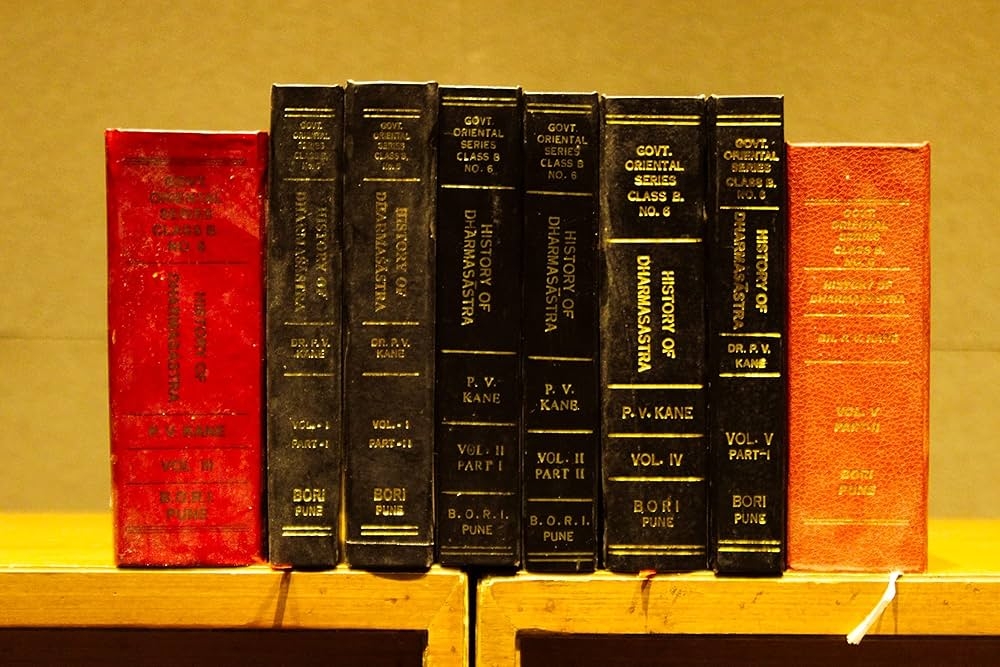
History of Dharmashastra
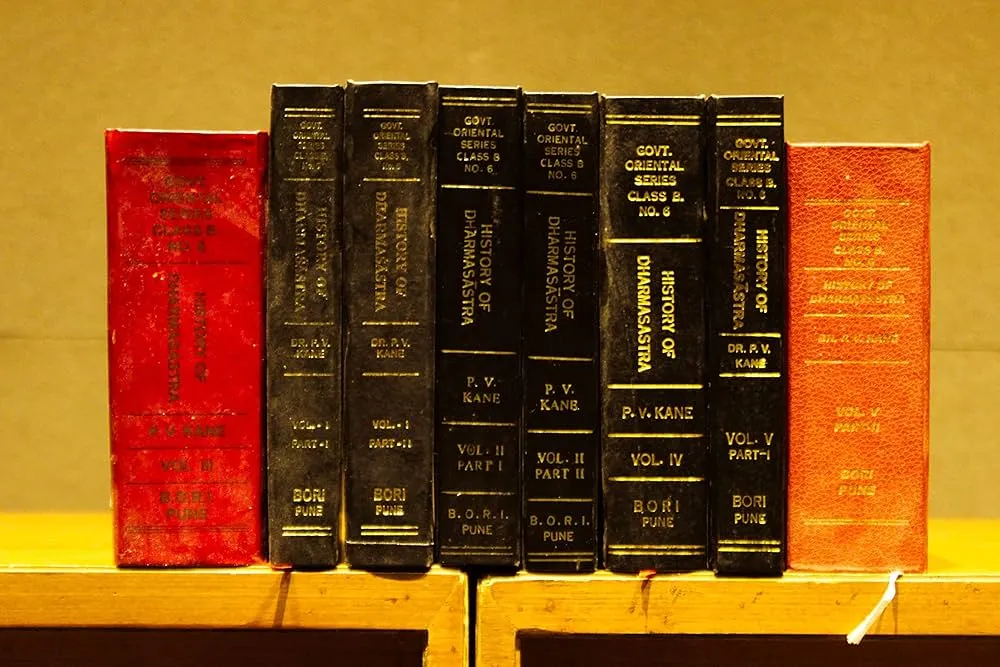
- 7Volumes
- 6,500Pages
The Definitive Work on Dharma
Published between 1930 and 1962 by the Bhandarkar Oriental Research Institute, this 7-volume treatise remains the definitive work on Dharmashastra.
Bharatratna Panduranga Vaman Kane devoted his life to this mission. He wrote every word by hand while maintaining his legal practice at the Bombay High Court. The bibliography alone spans 257 pages — a testament to the exhaustive research underlying this work.
To this day, courts in India consult Kane's work when adjudicating matters of Hindu personal law.
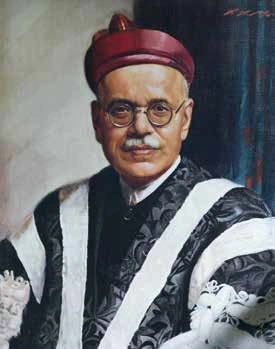
Dr. Pandurang Vaman Kane
1880–1972 · Scholar · Jurist
Bharat Ratna
6 Modules · 25 Sessions
Complete Curriculum
~13 hours of expert-led instruction
01
Introduction
Introduction
- Introduction: The Meaning of Dharma
02
Philosophy in Practice
Philosophy in Practice
- Aapaddharma: How to Navigate a Crisis
- Aapaddharma: The Moral through Stories
- Mokshadharma: The Pursuit of Liberation
- Purushartha-s: The Goals of Life
- The Scope of Dharma
03
Worship and Rituals
Worship and Rituals
- Vrata-s: Worship through Vows
- Vrata-s: Vows for Occasions and Days
- Utsava-s: The Rituals and Festivals
- Daanadharma I: Donation as Sacrifice
- Daanadharma II: Social Structure
- Teertha-s: The Importance of Pilgrimage
04
Socio-cultural Dimension
Socio-cultural Dimension
- Varna-s: Social Classification
- Aashrama-s: The Phases of Human Life
- Raajadharma: The Dharma of the Leader
- Kaalagananaa: The Divine Concept of Time
- Kaalagananaa: The Ancient Calendrical System
05
Life Practices
Life Practices
- Sixteen Sanskara-s Part I: Rituals for Betterment
- Sixteen Sanskara-s: Parts II–V
- Antyeshti and Shraaddha: Final Rituals
- Panchamahayajna-s: Five Daily Rituals
- Praayashchitta: Act of Redemption
06
Assessment
Assessment
- Dharmashastra Course Quiz (100 MCQs)
Your Instructors
Distinguished Faculty from BORI
Six scholars bring diverse expertise to this comprehensive course
- Dr. Gauri MogheCurator
- Dr. Pradeep Apte
- Dr. Jyotsna Khare
- Dr. Mugdha Gadgil
- Pranav Gokhale
- Rajas Vaishampayan
Bhandarkar Oriental Research Institute — established in 1917, BORI is one of India's premier centres for Indological research. Home to the Critical Edition of the Mahabharata and P.V. Kane's History of Dharmashastra.
A Note of Gratitude
Supported by the Vasant Kothari Family Foundation
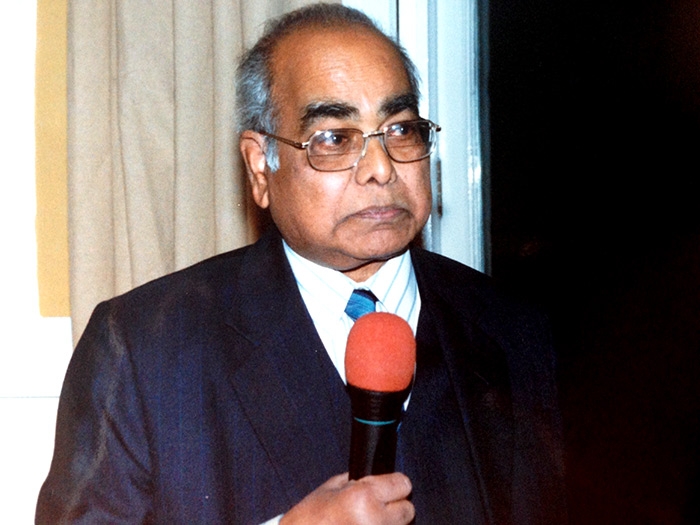
Late Shree Vasant Kothari
The Bhandarkar Oriental Research Institute expresses heartfelt gratitude to Shri Rajendra Kothari for his keen interest in bringing the study of Dharmashastra and the timeless principles of Dharma to a wider public.
This course is generously supported by the Vasant Kothari Family Foundation, in memory of Late Shri Vasant Kothari — a distinguished Sanskrit scholar, pioneering Indian lawyer in London, and a devoted ambassador of Indian culture who nurtured Vedic studies and Sanskrit scholarship in both India and the UK.
Questions
Common Questions
Do I need prior knowledge of Sanskrit or Indian philosophy?
No prior knowledge is required. This is designed as a beginner's guide — all Sanskrit terms are explained in context, making the course accessible to anyone interested in understanding Dharma.
What makes this course different from reading about Dharmashastra?
This course is taught by six scholars from BORI — the institute that published P.V. Kane's original work. You'll learn from experts who have dedicated their careers to studying these texts in their original Sanskrit.
How is the course structured?
The course is divided into 6 modules covering 25 sessions (~13 hours total). Topics range from philosophical foundations to practical life rituals, culminating in a 100-question assessment.
How long do I have access to the course?
You have lifetime access to all course materials. Watch at your own pace, revisit any session, and return whenever you want to deepen your understanding.
Is there a certificate?
Yes, upon completing all 25 sessions and passing the 100-question assessment, you will receive a certificate of completion from BharatVidya.
.jpg)
Artha & Niti — Facets of Dharmashastra
Economics, governance, and strategy traced across 15 texts — Vedas, Ramayana, Mahabharata, Arthashastra, Panchatantra, and Jain and Buddhist sources.
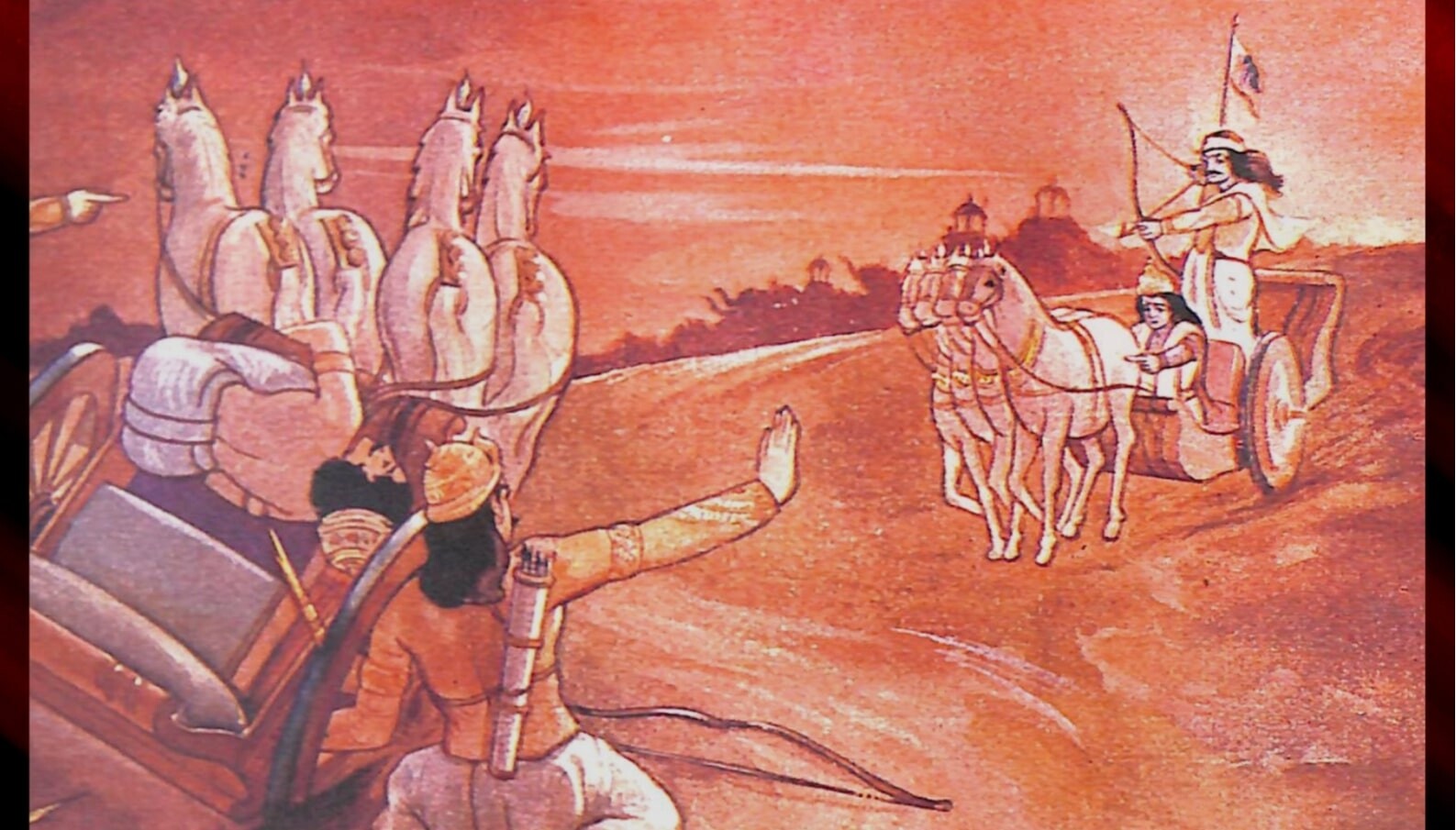
18 Parvans of the Mahabharata
The complete epic from Adi Parva to Svargarohana — characters, philosophy, dharma, and the war books. Taught by BORI scholars using the Critical Edition.
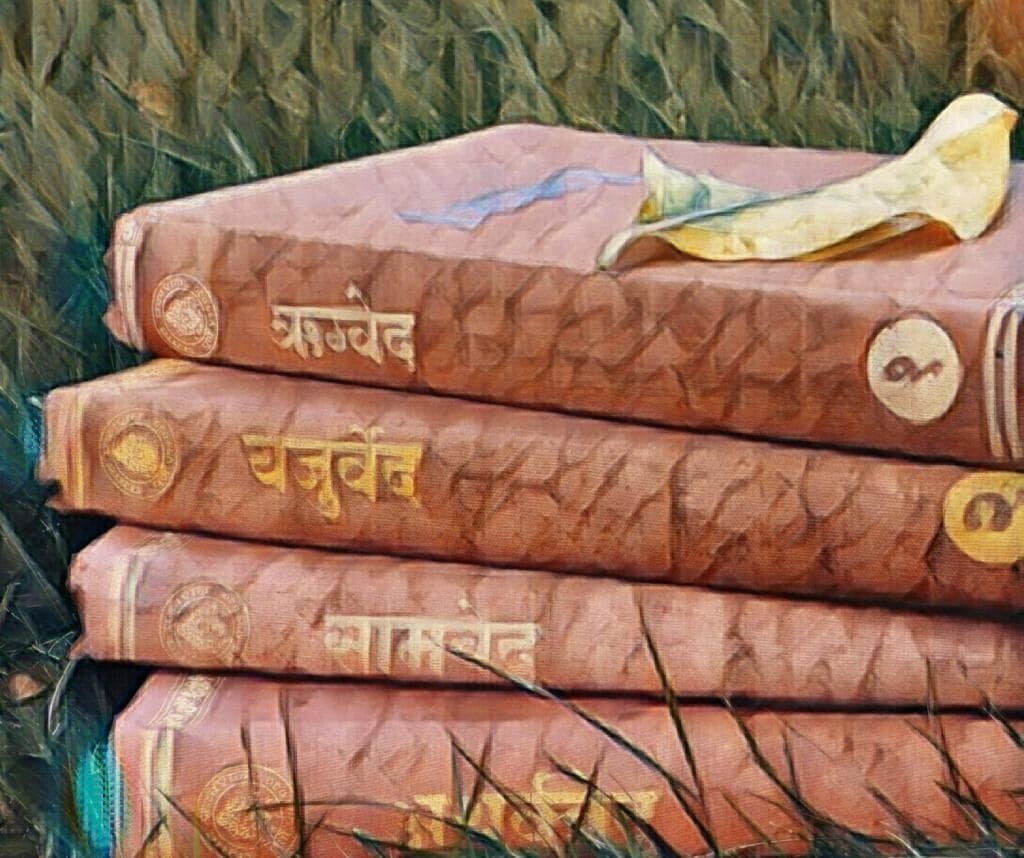
Veda Vidya — Vedas to Vedaangas
Study the four Vedas, Upanishads, and Vedangas in a 12-hour online course with world-class experts of Bhandarkar Institute.
Begin Your Journey into Dharma Philosophy
25 sessions exploring the timeless principles that have shaped Indian civilization for millennia.
₹1,200
Start the Course6 modules · 25 sessions · 13 hours · Lifetime access · Certificate included
By clicking on Continue, I accept the Terms & Conditions,
Privacy Policy